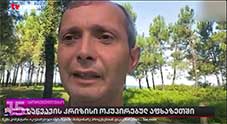
Georgian Dream Prime Minister Irakli Kobakhidze confirmed August 12 that fuel reached occupied Abkhazia via a private business from Georgia proper, as the region deals with shortages that have forced de facto authorities to ration supplies.
Asked by a TV Pirveli reporter about the shipment, Kobakhidze said the government had no role in it. "Yes, we did not supply it; the business did," he said, without naming the company or the volume involved.
He said the deal was lawful under Georgia's Law on Occupied Territories, which governs commercial activity with the breakaway regions. "If we can ease the situation for the population living in Abkhazia, we will do so, but we will always do it within the framework of the Law on Occupied Territories," Kobakhidze said, citing a government program, "A Step to a Better Future," that supports residents there, both Georgian and Abkhaz.
The confirmation followed reports that fuel had crossed the Enguri Bridge, the main crossing point into the region. Nukri Nodia, head of the Movement for Abkhazia, told TV Pirveli the shipment crossed a day earlier, though the recipient remained unclear; he said residents, not officials, had reported it.
"Russia has always supplied Abkhazia with fuel, but as of today there is a fuel shortage in occupied Abkhazia," Nodia said. "There is a severe crisis, and there are queues at gas stations."
The shortage stems from disruptions in Russia, Abkhazia's main supplier, where Ukrainian drone strikes on refineries and other setbacks have hit the fuel sector. Social media posts and local reports have shown packed gas stations for weeks.
On August 10, Abkhazia's de facto leader Badra Gunba met with officials on the issue. Apsynpress quoted him blaming "circumstances" beyond Sokhumi's control and pledging to "normalise the situation as soon as possible." He ordered remaining fuel prioritised for security, law enforcement, medical, social and municipal services.
The crisis began earlier: Apsynpress reported July 30 that 414 tons of gasoline had arrived, with shortages called temporary. By August 4, officials still cited logistical problems in Russia, saying sales limits were meant to stretch reserves across more buyers.