Prepared by Messenger Staff
Eight More Sentenced Over Tbilisi Election-Day Unrest
On June 22, eight people were sentenced to five years in prison over the October 4, 2025, election-day unrest, while six others in the same case were released after reaching plea agreements with prosecutors.
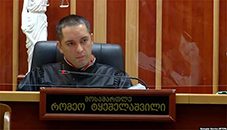
Judge Romeo Tkeshelashvili's rulings bring the total convicted in the case to 25, with 28 released under plea deals.
The eight sentenced, including Zurab Chavchanidze, Amiran Dolishvili, and Vladimer Gvelesiani, were convicted of "participating in group violence" and "attempting to seize a strategically important facility." Plea agreements, which require admitting to the charges and expressing remorse, have resulted in three-year suspended sentences.
Chavchanidze reportedly said at the hearing that he had sought a plea agreement, but Judge Tkeshelashvili told him that stage had already passed.
The charges stem from an attempt by protesters to occupy the presidential palace in downtown Tbilisi on election day, following a call from organizers of a "peaceful revolution" rally. Georgian Dream officials have described the events as a foreign-orchestrated coup attempt.
Public Defender Seeks Legal Safeguards for Detained Parents' Contact With Minor Children
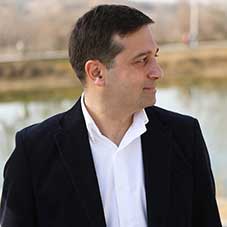
Public Defender Levan Ioseliani has called on Georgian Dream-led Parliament to legislate clearer rules on communication restrictions for accused persons, after the issue came to the fore in the pretrial detention of United National Movement leader Levan Khabeishvili.
Speaking during the presentation of his 2025 report in Parliament, Ioseliani said the current law contains no specific regulation requiring authorities to consider a defendant's relationship with their minor children when imposing communication restrictions.
"This issue emerged in the case of accused Levan Khabeishvili, when, during pre-trial detention as a preventive measure, his right to communicate with the outside world, including with his minor children, was restricted," he said.
Ioseliani argued that the law should require investigative authorities to weigh the best interests of the child and, depending on the nature of the charges and the circumstances of the case, consider exempting minor children from blanket communication bans.
"It is necessary for the law to define a specific rule, according to which investigative authorities will be obliged, when deciding on restrictions of communication rights for an accused person, to consider the best interests of the child and, depending on the nature of the charges and individual circumstances of the case, assess the possibility of excluding minor children from such restrictions," he said.
Ioseliani said he has formally submitted a legislative proposal to Parliament to address the gap.