Prepared by Messenger Staff
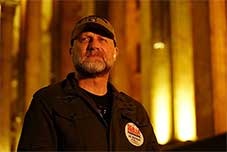
Turkey Returns Opposition Leader Zurab Japaridze to Georgia
Turkish authorities returned Zurab Girchi Japaridze, one of the leaders of the Coalition for Change and head of Girchi - More Freedom, to Georgia after denying him entry and detaining him at the border, the politician said.
Japaridze was traveling to Brussels to attend a leaders' summit hosted by Renew Europe, a liberal political group in the European Parliament. He was due to change airlines in Turkey when he was detained.
According to Japaridze, Turkish officials told him he had been banned from entering the country since November 2025, based on information received from Georgian authorities.
"I was detained at the border. As it was explained to me, I am banned from entering Turkey-a restriction in place since November 2025. They received information about me from official Georgian authorities," he wrote on social media.
The detention was first reported by ALDE, the Alliance of Liberals and Democrats for Europe, which said Japaridze was being held with his passport and luggage confiscated.
Japaridze said he would miss important meetings in Brussels, adding: "Otherwise, there is nothing to worry about."
Papuashvili Calls for International Standards on Foreign Funding
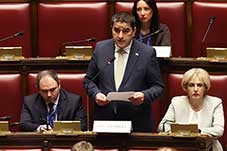
Georgian Dream Parliament Speaker Shalva Papuashvili has called for common international standards to regulate foreign funding and interference, saying transparency is essential to protecting democracy and national sovereignty.
Speaking at the Council of Europe's European Conference of Presidents of Parliaments in Rome, Papuashvili warned that disinformation, cyberattacks and covert financing can undermine democratic institutions and deepen political polarization.
He cited Georgia's 2024 elections, arguing that disinformation and allegations of electoral irregularities fueled unrest and weakened public trust in the electoral process.
Papuashvili pointed to Australia, Canada, France, the United Kingdom and the United States as countries tightening foreign funding regulations, arguing that transparency requirements help safeguard democracy rather than undermine democratic values.
He called for a common international framework based on sovereignty, accountability and consent, saying foreign interference threatens democracy regardless of whether it originates from a hostile or allied country.